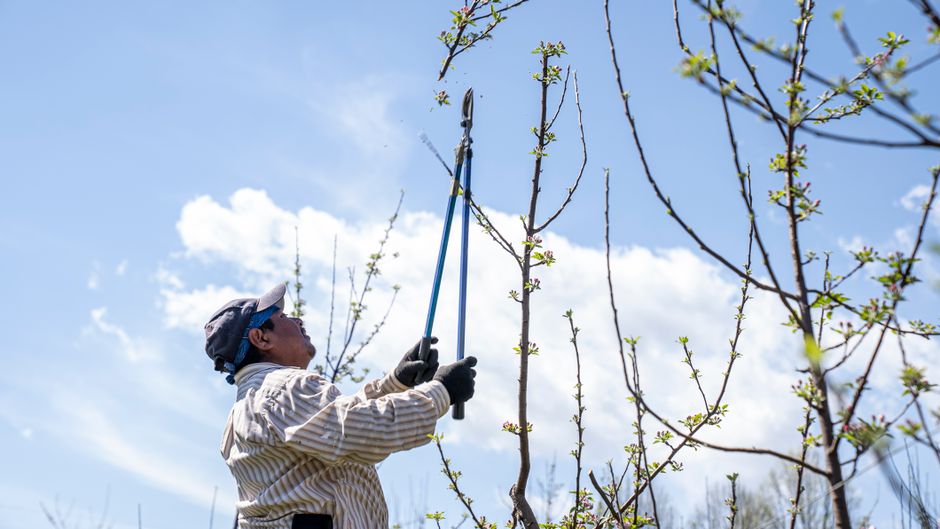
Harrow Council tree work permits garden pruning rules: a practical guide for homeowners and gardeners
If you are planning garden pruning in Harrow, the rules can feel a bit murky at first. One minute you are just tidying a hedge, the next you are wondering whether a tree work permit, planning consent, or extra care for a protected tree is needed. That is exactly why this guide on Harrow Council tree work permits garden pruning rules exists: to help you understand what usually matters, what can catch people out, and how to approach the job without stress.
In plain English, most routine pruning in a private garden is straightforward. But once a tree is protected, sits in a conservation area, or the work goes beyond light maintenance, the picture changes. Add overhanging branches, neighbour concerns, nesting birds, and the occasional "I'll just take a bit off" attitude, and it becomes easy to misjudge. Let's make it simpler.
Below you will find a practical breakdown of how these rules tend to work, what to check before you cut, and how to keep your garden healthy while staying on the right side of local requirements. If you are also improving the wider garden at the same time, a few of our related guides on garden maintenance and tree surgery may be useful.
Table of Contents
- Why Harrow Council tree work permits garden pruning rules matters
- How Harrow Council tree work permits garden pruning rules works
- Key benefits and practical advantages
- Who this is for and when it makes sense
- Step-by-step guidance
- Expert tips for better results
- Common mistakes to avoid
- Tools, resources and recommendations
- Law, compliance, standards and best practice
- Options, methods or comparison table
- Case study or real-world example
- Practical checklist
- Conclusion
- Frequently asked questions
Why Harrow Council tree work permits garden pruning rules matters
Tree pruning is not just a gardening task. In an urban borough like Harrow, it can affect wildlife, neighbour boundaries, public safety, and the long-term health of the tree itself. A tidy crown in spring may look harmless, but if the tree is protected or partly regulated, the wrong cut can become a formal issue very quickly.
That matters because trees are often one of the few mature features in a garden. You may want more light for a lawn, better access to a patio, or less leaf drop near the house. Fair enough. But the tree may be subject to controls that change what you can do, when you can do it, and whether notice or permission is required.
There is also a practical side. Unplanned pruning can leave ragged wounds, unbalanced growth, or a tree that throws up a lot of weak regrowth. We have all seen the "it will bounce back" approach. Sometimes it does. Sometimes it limps along looking sorry for itself for years.
If you manage your garden well, you are not just avoiding paperwork. You are protecting value, reducing risk, and keeping the outdoor space attractive across the seasons. That is especially true where a mature tree frames seating areas, screens a boundary, or works alongside planting from a guide like hedges for enhanced privacy or ground cover plants for UK gardens.
How Harrow Council tree work permits garden pruning rules works
The key idea is simple: not every tree job needs formal approval, but some do. Before pruning or removing anything significant, you need to work out whether the tree is protected and whether the proposed work is routine maintenance or something more substantial.
In practical terms, the process usually involves a few checks:
- Is the tree subject to a Tree Preservation Order, often shortened to TPO?
- Is the property within a conservation area?
- Is the work routine light pruning, or does it involve larger cuts, shaping, reduction, or removal?
- Could the work affect a neighbour's tree, overhanging branches, or a shared boundary?
- Is there any wildlife risk, especially nesting birds?
A TPO is a formal protection placed on certain trees because of their amenity value. If a tree has one, you normally need specific consent before carrying out most work. A conservation area brings a different kind of control: you may need to give notice before certain tree works, even where the tree is not individually protected.
Routine garden pruning on ordinary shrubs and small ornamental trees is often fine. But pruning a mature tree in the front garden, taking back a large limb over the driveway, or heavily reducing a crown is a different matter. The scale and impact matter, not just the fact that it is "in your garden."
A good rule of thumb? If the work changes the shape, size, or structure of a tree in a noticeable way, pause and check first. That small delay is much cheaper than dealing with the wrong cut later.
What counts as pruning versus tree work?
People use the words loosely, but the difference matters. Pruning usually means selective cutting to improve shape, remove dead material, or maintain healthy growth. Tree work can include heavier reduction, crown thinning, crown lifting, pollarding, sectional removal, stump work, and sometimes emergency safety work.
If you are trimming a bit of soft growth on a shrub border, that is garden care. If you are reshaping a mature lime tree because it is blocking the windows, you have moved into more formal tree work territory. A hedge is its own thing too, which is why a specific service like hedge trimming in Hatch End can be more relevant than a general tree job.
Key benefits and practical advantages
Following the right pruning and permit process is not just about compliance. Done properly, it can make your garden better in several ways at once.
| Benefit | Why it helps | What it looks like in practice |
|---|---|---|
| Legal clarity | Reduces the risk of disputes or enforcement issues | You know whether formal consent or notice is needed before work starts |
| Better tree health | Correct cuts support balanced growth | Less dieback, fewer weak shoots, cleaner structure |
| Safer garden use | Reduces hanging limbs and obstruction | Clearer paths, better light, fewer low branches over seating areas |
| Improved neighbour relations | Transparent decisions reduce friction | Less chance of arguments about overhanging branches or boundary cuts |
| Cleaner garden design | Pruning can improve shape and structure | More space for planting, seating, or even vertical features |
There is also a quieter benefit that people often miss: confidence. Once you know where the lines are, you can plan your garden properly instead of trimming first and asking questions later.
If you are trying to make the whole space easier to manage, pruning can work hand in hand with low-maintenance planting ideas such as cost-effective low-maintenance gardens and even smarter layouts inspired by vertical gardening.
Who this is for and when it makes sense
This topic is relevant to quite a few people, not just homeowners with a very large oak tree. In our experience, the questions show up in ordinary gardens, often right before a weekend job turns into a bigger decision than expected.
- Homeowners who want to prune a tree near the house, driveway, or patio
- Landlords and managing agents who need safe, tidy external spaces
- Tenants who are unsure what they are allowed to trim
- Gardeners and maintenance teams working on regular seasonal care
- People with mature trees, boundary planting, or trees in conservation areas
- Anyone dealing with overgrown ivy, climbers, or hedging that is becoming unwieldy
It also makes sense if you are redesigning the garden. A heavy canopy can shade out planting beds, limit seating areas, and make a space feel smaller than it really is. That is one reason pruning gets tied so often to broader garden improvements like perfect seating areas or the kind of planting balance seen in evergreen climbers for shade.
Truth be told, if you are hesitating because you are not sure whether the tree is protected, that hesitation is usually a good sign. It means you are thinking before cutting. Keep that instinct.
Step-by-step guidance
Here is a sensible way to approach tree pruning in Harrow without overcomplicating it. The order matters more than people think.
- Identify the tree and the work you want done. Be specific. "Prune the tree" is too vague. Decide whether you want deadwood removed, lower branches lifted, crown reduced, or just a light tidy.
- Check for protection. Look into whether the tree is under a TPO or within a conservation area. If you are unsure, treat it as protected until you can confirm otherwise.
- Inspect the tree's condition. Watch for decay, splitting, storm damage, or pests. If the tree looks unstable, avoid DIY cuts and consider professional help.
- Consider wildlife and timing. Birds may nest in spring and early summer. A quick glance can save a lot of trouble. If the tree is active with nesting, it is usually smarter to delay non-urgent work.
- Choose the right level of pruning. Often less is more. Small, selective cuts are generally better than a heavy chop, especially on mature trees.
- Get the paperwork or advice in order. If consent or notice is needed, do that before any work begins. Not after. That one is worth repeating.
- Use proper tools and safe access. Loppers, secateurs, pruning saws, and, for higher work, appropriate climbing or access equipment handled by someone competent.
- Finish with aftercare. Remove waste, check for tear damage, and monitor regrowth over the following weeks.
If the work involves height, heavy limbs, or a tree near buildings or fences, the safest route is usually to bring in a specialist. Related pages such as tree surgery, landscaping, and fencing can be useful if the garden needs several jobs coordinated at once.
Expert tips for better results
A few habits make a big difference. These are the sorts of details that separate tidy, healthy pruning from the kind that leaves a tree looking hacked about.
- Prune with a purpose. Every cut should have a reason: safety, shape, structure, or health. If you cannot name the reason, wait.
- Make clean cuts. Ragged tears heal badly. Sharp tools matter more than people admit.
- Work gradually. Especially on mature trees, a small reduction now is often better than a drastic one later.
- Step back often. Look at the tree from the path, the window, and the boundary. What looks balanced up close can feel lopsided from the garden gate.
- Avoid over-thinning. A tree still needs leaf area for energy. Stripping too much can stress it.
- Think about the garden as a whole. Pruning near a patio or lawn changes light, shade, and moisture. That may affect planting, mowing, and even seating comfort.
One small but useful trick: do the visualisation before you cut. Stand where you normally sit with a morning cup of tea and imagine how the canopy will look once it is lighter. Sounds simple, but it helps. Garden decisions are often made in a hurry, and that is where mistakes creep in.
If your pruning is part of a wider seasonal tidy-up, a broader maintenance plan can include lawn care, lawn mowing, and even a reset of the planting structure using ideas from transforming a neglected garden.
Common mistakes to avoid
Most problems fall into a few predictable buckets. If you can avoid these, you are already ahead.
- Assuming a tree is unprotected because it is in private land. Private garden does not always mean free to do whatever you want.
- Starting work before checking permissions. This is the classic headache. A quick check can prevent a very expensive misunderstanding.
- Taking too much off at once. Heavy pruning can shock the tree and leave ugly regrowth.
- Ignoring overhanging branches from a neighbour's tree. Boundary issues are common, and the law does not always match common sense, which is annoying but true.
- Cutting during active nesting without checking. Even if the tree itself is fine, wildlife concerns can still matter.
- Using blunt or unsuitable tools. This leads to bruised wood and messy cuts. Not a good look.
- Forgetting waste management. A pile of branches can block access, harbour pests, or just make the garden feel chaotic.
The other big mistake is confusing a hedge with a tree. Hedges, climbers, and shrubs often need different handling. If you are dealing with ivy on walls or fences, for example, the approach is different again and a guide like effective strategies to permanently eliminate ivy may be a better starting point.
Tools, resources and recommendations
You do not need a shed full of specialist kit for every pruning job, but using the right tools matters. It keeps the work cleaner, safer, and quicker.
| Tool or resource | Best used for | Why it helps |
|---|---|---|
| Secateurs | Small stems and precise shaping | Clean, controlled cuts for light pruning |
| Loppers | Thicker stems within arm's reach | More leverage and less strain |
| Pruning saw | Medium branches | Better finish than forcing a lopper beyond its limit |
| PPE such as gloves and eye protection | General pruning safety | Protects against slips, splinters, and flying debris |
| Professional arboricultural advice | Protected, large, or risky trees | Useful when the job is not a simple tidy-up |
For garden jobs that affect the whole outdoor layout, a combined approach often works best. A pruning day can lead naturally into better planting structure, tidier borders, and improved access. If that sounds like your situation, you may also find creating a doggy garden oasis, transforming organic waste into soil fertility, and essential gardening tools every green thumb needs helpful.
One practical note: if a pruning task needs ladders, chainsaws, or work near power lines, that is usually beyond casual DIY territory. There is no medal for doing it the hard way.
Law, compliance, standards and best practice
This is the part that benefits from careful wording. Local tree rules can vary depending on protection status, land ownership, and the exact nature of the work. Because of that, the safest approach is to treat anything substantial as potentially regulated until you have checked.
In general UK practice, the following principles are worth keeping in mind:
- Tree Preservation Orders can restrict pruning, topping, lopping, or removal.
- Conservation areas may require notice before certain tree work starts.
- Neighbours' trees may be subject to separate rules, especially where branches cross a boundary.
- Wildlife law can apply if birds are nesting or other protected species are present.
- Health and safety duties matter if the work is being carried out by a contractor or on behalf of others.
Best practice is to avoid guessing. If the tree is mature, close to a house, or visually important to the street, check first. If you are hiring help, ask them how they handle permissions, safe work methods, and waste removal. It is a perfectly reasonable question.
For peace of mind around contractor standards, it can also help to review related site information such as health and safety policy, insurance and safety, and terms and conditions. Those pages do not replace local permission checks, of course, but they do show how a professional service approaches risk and responsibility.
If you are dealing with a mixed job involving trees, fencing, or a full tidy-up, a broader service like gardening services can sometimes be more efficient than booking each task separately.
Options, methods or comparison table
Not every garden calls for the same approach. Here is a simple comparison to help you decide what makes sense.
| Method | Best for | Pros | Watch out for |
|---|---|---|---|
| Light seasonal pruning | Small trees, shrubs, young specimens | Quick, low impact, easy to maintain | Can still be restricted if the tree is protected |
| Formative pruning | Young trees being shaped for the future | Builds a stronger structure over time | Needs a steady hand and good timing |
| Crown thinning or reduction | Mature trees needing light or clearance adjustments | Can improve light and reduce sail effect | Often more likely to need permissions or specialist advice |
| Professional tree surgery | Large, risky, or protected trees | Safer and more technically sound | Usually costs more than DIY |
If your main goal is simply to keep the garden orderly, light pruning may be enough. If the tree is influencing the whole feel of the space, however, a more considered intervention can be worth it. You can see the same logic in planting choices too; for example, adding structure with artistic hedge trimming or using space-saving ideas from container gardening.
Case study or real-world example
Here is a realistic example from the kind of garden many Harrow households have: a mid-sized rear garden with a mature tree near the boundary, a patio underneath, and a lawn that struggles because the canopy blocks too much light. The owner wants to open the space up for summer use and stop leaves from piling up around the seating area.
At first glance, the fix looks simple. Cut back the lower branches, reduce the crown a little, and move on. But once the tree is checked properly, it turns out the tree may need permission or formal notice because of its location and size. Rather than taking a shortcut, the owner pauses, confirms the status, and plans the work properly.
The result is better all round. The pruning is lighter and more selective than originally imagined, which keeps the shape natural. The patio gets more daylight in late afternoon. The lawn starts to recover. The garden feels bigger, not because the tree vanished, but because the space around it was handled thoughtfully.
That is usually the sweet spot. Not extreme. Not messy. Just sensible.
A second example, smaller but common: someone trimming back an overgrown hedge that has started to blur into the tree canopy. They realise the hedge needs a different approach and separate attention. In that case, using a dedicated local hedge service such as hedge trimming Hatch End can keep the work neat and avoid unnecessary cuts into the tree itself.
Practical checklist
Use this before any pruning job, especially if you are unsure about permissions.
- Identify the tree species and approximate size
- Check whether it is protected by a TPO
- Check whether the property sits in a conservation area
- Confirm whether the work is light pruning, shaping, reduction, or removal
- Look for nesting birds or signs of wildlife activity
- Speak to a professional if the tree is large, near a structure, or awkwardly placed
- Use clean, appropriate tools
- Plan where branches and green waste will go
- Keep photos of the tree before and after work
- Book the job for a sensible time of year where possible
Expert summary: if the pruning is small, routine, and clearly on ordinary garden growth, it is often straightforward. If the tree is mature, protected, boundary-related, or structurally important to the garden, stop and check first. That simple pause saves the most trouble.
Conclusion
Harrow Council tree work permits garden pruning rules can seem fiddly, but they are manageable once you break them down. The real goal is not to block good gardening; it is to make sure pruning is safe, lawful, and good for the long-term health of the tree and garden.
If you remember just three things, make them these: check protection status first, prune with a clear purpose, and never assume that private land automatically means unrestricted work. The rest falls into place from there.
And honestly, a well-pruned tree can transform a garden. More light, better shape, less clutter, and a calmer view from the kitchen window on a grey Tuesday morning. That matters more than people sometimes admit.
Get a free quote today and see how much you can save.
For personalised help with pruning, tree care, or a broader garden tidy-up, you may also want to explore our about us page and speak with the team when you are ready.
Frequently Asked Questions
Do I need permission to prune a tree in my Harrow garden?
Not always. Routine pruning of an ordinary unprotected tree is often fine, but protected trees and trees in conservation areas may need consent or prior notice. It is best to check before you cut.
What is the difference between a TPO and a conservation area?
A Tree Preservation Order protects a specific tree or trees. A conservation area is a designated area where some tree work is controlled even if the tree itself is not individually protected. The rules are related, but not the same.
Can I cut back branches that overhang my garden?
Sometimes yes, but only up to the boundary and only if the tree is not protected in a way that restricts the work. It is always wise to avoid damaging the tree and, where possible, to talk to the tree owner first.
Is there a best time of year to prune garden trees?
That depends on the species and the reason for pruning. Many trees are best pruned at specific times of year to reduce stress or sap bleed. Light maintenance can be done at several points, but nesting birds and tree health should guide the timing.
How do I know if my tree is protected?
You may need to check the property status and ask for confirmation where necessary. If you are unsure, treat the tree as potentially protected until you have checked properly. Guessing is a bad shortcut here.
Can I prune a neighbour's tree if branches hang over my fence?
You can sometimes trim back to the boundary line, but you must avoid trespassing and avoid causing unnecessary harm. If the tree may be protected, the rules can be tighter, so it is worth getting advice first.
What happens if I prune a protected tree without consent?
That can lead to enforcement action and may become expensive. The exact outcome depends on the circumstances, but the safest route is always to check before work starts.
Do I need a professional for all tree pruning?
No. Small, low-risk pruning can often be done by a capable gardener or homeowner. But large trees, awkward access, significant cuts, or any protected tree should usually be handled with professional guidance.
Are dead branches allowed to be removed without permission?
Sometimes deadwood removal is treated differently from major structural pruning, but you should not assume that permission is unnecessary. The details matter, especially on protected or regulated trees.
Can nesting birds stop me from pruning?
Yes, potentially. If birds are nesting, work may need to be postponed to avoid disturbing wildlife. A quick pre-check is usually enough to spot the issue before it becomes a problem.
What if the tree is damaging my fence or patio?
That is a common reason people look into pruning, but the work still has to respect any protections. If the issue is structural or urgent, speak to a professional who can advise on the safest and most appropriate next step.
Where can I get help with tree work or garden pruning?
If the job is beyond a light tidy-up, it is sensible to speak with a local gardening or tree specialist. Services such as gardening services, tree surgery, and garden maintenance can help you choose the right approach for your garden.
Will pruning affect the look of my garden straight away?
Yes, usually in a good way if the work is planned properly. The space often feels lighter and more open immediately, though the full benefit becomes clearer once new growth settles in over the following weeks.